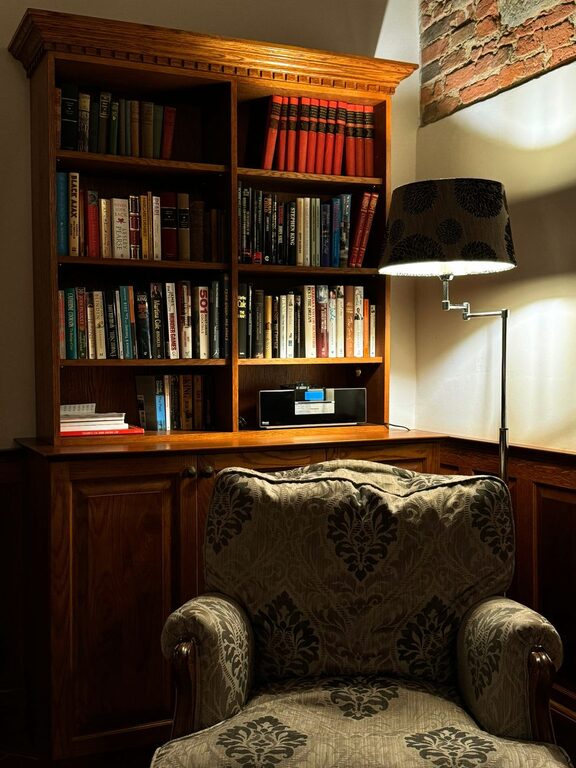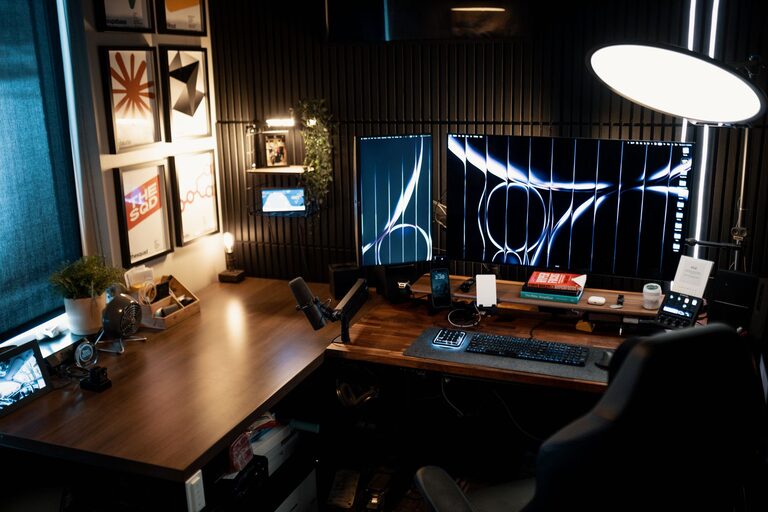
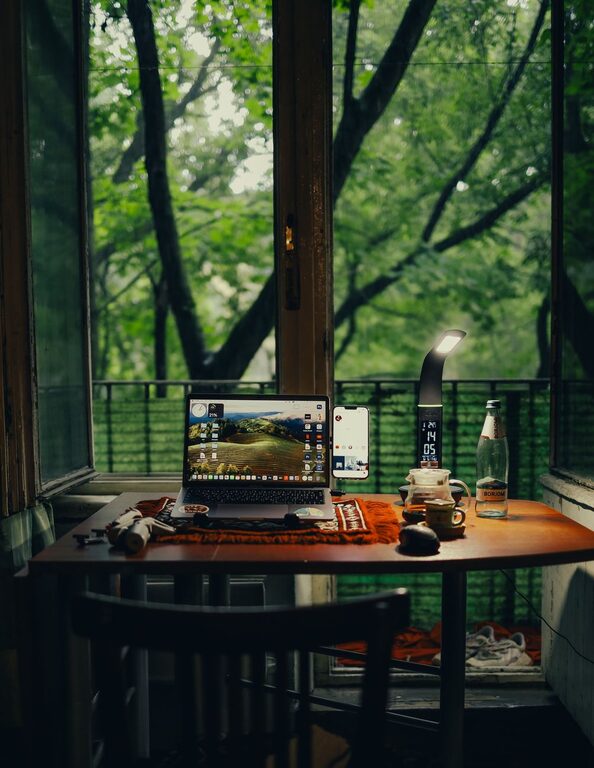
Creating a relaxing home workspace is essential for maintaining focus, reducing stress, and boosting productivity. When you spend hours working at home, your environment can either help you perform at your best or become a distraction. This guide offers practical tips to design a calming and efficient workspace tailored to your needs.
Choose the Right Location
Selecting the best spot in your home sets the foundation for a productive workspace.
– Find a quiet area: Choose a space away from heavy foot traffic or noisy appliances.
– Consider natural light: If possible, place your desk near a window to benefit from natural light, which can improve mood and alertness.
– Ensure privacy: If you share your home, find a space where you can work without frequent interruptions.
Invest in Comfortable Furniture
Comfort plays a major role in maintaining both productivity and well-being.
– Ergonomic chair: Choose a chair that supports your lower back and encourages good posture.
– Appropriate desk height: Your desk should allow your arms to rest comfortably at about a 90-degree angle when typing.
– Adjustable accessories: Use a footrest or monitor stand if necessary to maintain ergonomic alignment.
Declutter and Organize
A tidy workspace helps your mind stay clear and focused.
– Keep only essentials: Limit items on your desk to what you need daily.
– Use storage solutions: Baskets, shelves, or drawer organizers can keep supplies neatly stored.
– Develop daily habits: Take a few minutes at the end of each day to tidy your workspace.
Personalize Your Space
Adding personal touches makes your workspace inviting without being distracting.
– Add plants: Small indoor plants can improve air quality and create a calming atmosphere.
– Include meaningful decor: Photos or artwork that inspire you can boost motivation.
– Choose soothing colors: Soft, neutral tones are ideal for a relaxing environment.
Control Lighting and Screen Glare
Proper lighting reduces eye strain and maintains energy.
– Use adjustable lighting: Desk lamps with adjustable brightness help you control lighting as needed.
– Avoid harsh fluorescents: Soft, warm light is easier on the eyes.
– Position screens wisely: Place your monitor to avoid glare from windows or overhead lights.
Minimize Noise Distractions
Sound can significantly affect your concentration.
– Use noise-canceling headphones: These can block out unwanted sounds.
– Play background music: Low-volume instrumental music or white noise can improve focus.
– Soundproofing: Adding rugs, curtains, or acoustic panels can absorb excess noise.
Create a Dedicated Work Schedule
Structure reinforces your work habits and separates work from relaxation.
– Set regular hours: Define work start and finish times to build routine.
– Take breaks: Short breaks every hour help maintain focus and reduce fatigue.
– Designate ‘off’ zones: Avoid working in bed or living areas to mentally separate work from personal time.
Incorporate Movement and Breaks
Physical activity supports both mental and physical health.
– Stretch regularly: Gentle stretches can relieve tension from sitting.
– Use a standing desk option: Alternate between sitting and standing to reduce discomfort.
– Take short walks: Brief walks—even around your home—can refresh your mind.
Optimize Technology Setup
The right technology setup improves efficiency.
– Reliable internet connection: A stable connection reduces frustration.
– Organize cables: Use clips or ties to keep cords neat and out of the way.
– Keep devices updated: Regular updates improve performance and security.
Maintain Air Quality and Comfort
The environment impacts alertness and comfort.
– Ventilate your space: Open windows when possible to allow fresh air.
– Control temperature: Keep your workspace comfortably warm or cool.
– Use an air purifier or humidifier: These can enhance air quality if needed.
—
By thoughtfully designing your home workspace with these tips, you’ll create a relaxing environment that supports both your productivity and well-being. Remember, small changes often have a big impact—experiment to find what works best for you. A calm, organized, and comfortable workspace can make your work-from-home experience more enjoyable and effective.